



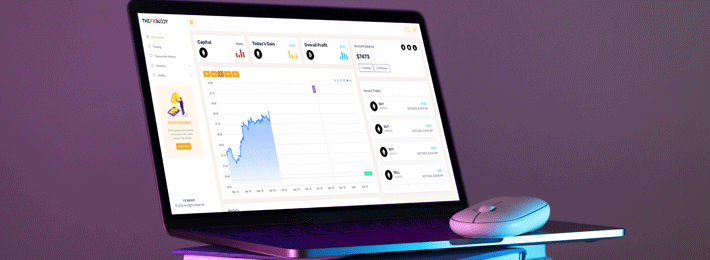
Title: Mastering Control: How to Manage Your Trades and Portfolio in Forex Trading
Introduction
In the fast-paced world of forex trading, success isn't just about making the right trades—it's about maintaining control over your trades and portfolio. Effective management can be the difference between consistent gains and unexpected losses. This blog post will guide you through essential strategies to help you stay in control of your forex trades and portfolio, ensuring long-term success.
1. Set Clear Goals and a Trading Plan
Define Your Objectives
Before you start trading, it’s crucial to set clear, realistic goals. Are you trading for short-term profits or long-term growth? Understanding your objectives will help shape your trading strategy and keep you focused.
Develop a Trading Plan
A solid trading plan acts as your roadmap. It should outline your risk tolerance, preferred trading pairs, entry and exit strategies, and the amount of capital you’re willing to invest. By following your plan, you can avoid emotional decisions and stay disciplined in the market.
2. Use Risk Management Techniques
Control Your Risk Per Trade
One of the most important aspects of controlling your trades is managing your risk. A common rule is to risk no more than 1-2% of your trading capital on any single trade. This approach protects your portfolio from significant losses and helps ensure longevity in trading.
Set Stop-Loss Orders
Stop-loss orders are essential tools for controlling losses. By setting a stop-loss order, you instruct the platform to automatically close a trade if the price moves against you by a certain amount. This prevents small losses from turning into large ones and keeps your portfolio intact.
3. Diversify Your Portfolio
Spread Your Investments
Diversification is key to managing your portfolio. Instead of putting all your capital into one currency pair, consider spreading your investments across multiple pairs or even other asset classes. This strategy reduces the risk of a major loss if one trade doesn’t go as planned.
Monitor Correlations
Understanding the correlations between currency pairs can help you diversify effectively. For example, if two pairs tend to move in the same direction, investing in both could increase your risk. By diversifying into pairs with low or negative correlations, you can balance your portfolio and reduce overall risk.
4. Regularly Review and Adjust
Monitor Your Performance
Regularly reviewing your trades and portfolio is crucial for staying in control. Analyze your performance, identify what’s working and what’s not, and adjust your strategy accordingly. This continuous improvement process helps you stay on top of your trading game.
Rebalance Your Portfolio
Over time, the value of different investments in your portfolio may change, potentially increasing your risk. Periodically rebalancing your portfolio ensures that your investments align with your risk tolerance and trading goals.
Conclusion
Effective control of your trades and portfolio is essential for successful forex trading. By setting clear goals, using risk management techniques, diversifying your investments, and regularly reviewing your performance, you can maintain control and achieve consistent success in the forex market.
Call to Action
Ready to take control of your forex trading? Sign up with TheFXBuddy today and access tools that help you manage your trades and portfolio with confidence.